Posts

Showing posts with the label Reading

Reading Notes - Beowulf Part B

Image
For the second part of the reading this week, I am continuing to read the Beowulf Unit. Specifically, in my note, I am going to discuss the story Grendel Attacks   by Strafford Riggs. First first thing that caught my attention in this story was how well the first few paragraphs set the base setting for the story. Its ominous and descriptive detail sets up a clear picture in the reader's mind.  The story is written with such detail throughout. There is detail regarding Beowulf feelings and actions; Grendel's appearance; and an overall descriptive  narrative of the setting of the story. I also enjoy how the ominous theme is clearly carried throughout the story.  Overall, this story was very easy to read and easily kept my attention as the reader. I especially like how this story was set up. The setting was introduced, then Beowulf was mentioned, then Grendel was introduced, and, lastly, the ending set up the introduction to the next story The Battle...

Reading Notes - Beowulf Part A

Image
For the reading this week, I chose to read the first part of the Beowulf Unit . Specifically, in my notes, I am going to write about the story The Young Beowulf   by Strafford Riggs. Although this is not the most exciting story, I like how it is written and the message it portrays. First off, I like how it focuses on the progression through Beowulf's youth. It follows him through his first beginnings all the way to manhood. I also like how you can see Beowulf grow and develop in this story. Physically he grows much stronger, but there is also an important emotional/psychological aspect to this story. The psychological aspect it was what really caught my attention to this story. It seems as if Beowulf is depressed. He didn't speak much. He appears shy or not confident. The story says, "Beowulf sat in gloomy silence." Even more telling, the story says, "He drank long and deep... his thoughts, too, were deep and long." I think these statements help revea...

Reading Notes - King Arthur, Part B

Image
For the second part of the reading this week, I chose to continue reading the King Arthur unit. Specifically, I am going to focus on the story Sir Lancelot and the Five Hundred Knights   by Andrew Lang.  I chose this story because I like how it portrays the internal conflict that Sir Lancelot faces. This is an interesting story that is easy to follow and easily keeps the attention of the reader. I also like the detail that is used to describe the white horses. I think I could use the idea of internal conflict in one of my future stories. I may not necessarily focus my entire story on this aspect, but rather include it as only one aspect of my story; in a sense, combining multiple different ideas from multiple different stories into one. Overall, I have enjoyed this unit and enjoyed learning/refreshing my knowledge of King Arthur. I also enjoyed the way this story was written. Although it was easy to follow, it did require more thought and attention that other stories. I...

Reading Notes - King Arthur, Part A

Image
For the reading this week, I chose to focus on the story King Arthur: The Drawing of the Sword written by Andrew Lang. I have always loved hearing this story, and think it has a great message!  Although I think this story is well written and does a great job at keeping the attention of its readers, this is not the aspect I would like to focus on. What I find most admirable about this story is the humility of Arthur even after he becomes the king. First, he willing rode back to help his brother by finding his sword. Then, after he removed the sword from the stone, his father and brother bow before him in reverence, but Arthur simply asks why are they bowing before him. Lastly, after he was crowned king, he promised to rule fairly and "do them justice all the days of his life."  I am definitely interested in writing a story that focuses on a humble, grateful, and thankful king like Arthur. I think this is a great example of how a leader should behave and act, no...

Reading Notes: Black Foot Unit, Part B

Image
For the second part of the Blackfoot Unit reading this week, I am going to focus on the story The Smart Woman Chief . Written by George Bird Grinnell in 1915. The first element of this story that I like is how women do not know men exist and men do not know women exist. I think this open and honest unknowing creates a sense of innocence among the story. I found it interesting that once they discovered about the opposite sex they immediate engaged in common human customs, such as getting married. I also found it interesting how they determined both women and men's strengths.  Overall, this story was easily to read and follow along with. It was an interesting story, and you can't help but feel bad for the Old Man. I do like how the chief of the women showed her strength and put the Old Man in his place. There are some terms that you need to be aware of before you are able to fully understand and appreciate the story; so, a little background information might be n...

Reading Notes: Blackfoot, Part A

Image
For this week's reading I chose to read the Blackfoot Stories Unit . Specifically, I chose to focus on the story Blackfoot: Cold Maker's Medicine . At first I was unsure if I wanted to write my notes about this story. The beginning of the story was peculiar. An old women killing men to commit cannibalism and feed her tamed black bears. It wasn't until the end of the story that I was able to appreciate and understand the story. Although the story was odd, I couldn't stop reading. I wanted to know what happened, and I think this is an important characteristic of any great story: it draws and keeps your attention. I like how the author explained Cold Maker's medicine. For example, how producing his own smoke via a pipe prevented the smoke from the fire continuing to lower. I thought this was a very creative addition. I thought the story was well written and easy to follow. I like how they story was narrated but also included direct quotes from the characters. I also ...

Reading Notes: Apache, Part B

Image
For the second part of the Apache Unit reading this week, I chose to focus on Apache: Coyote and Porcupine . This story is very odd and involves a lot of tragic death. The story begin by the porcupine tricking a buffalo into helping him cross a river. The buffalo agrees but is ultimately killed by the porcupine. The porcupine then tricks the Coyote into butchering the buffalo. A battle ensues between the porcupine and Coyote with the porcupine eventually winning and the Coyote and his children are killed.  When you think about it, this is a really sad story. I chose this story not because I necessarily liked it but because I liked how it showed the intelligence of the porcupine. He tricked multiple individuals (animals) to do the hard work for him so he could relax and enjoy the final product. Someone may focus on the death in this story and miss the meticulous intellect of the porcupine. I think it is cool how this is a subtle yet important aspect of the stor...

Reading Notes, Part A: Apache

Image
For the first part of the reading this week I chose to read the Apache Unit . Particularly, I am going to focus on the story Apache: Coyote Secures Fire . To be honest, I found many of the stories in this unit difficult/challenging to read. I felt as if significant background information is needed to be able to fully understand what they meant for the story to mean. I chose Apache: Coyote Secures Fire  because of the realistic nature of the children's knowledge. Specifically, there is an instance where the children are asked something that they know but refuse to answer. Coyote then creates a string of beads and brides the children to tell him what he wants to know. Since there is a reward involved the children comply and tell Coyote what he wants to know. I thought this was really interesting. This is very realistic and true but since the author creates the story they can write it however they want. I found it interesting how the author revealed the selfish nature of the ch...

Reading Notes, Nigeria Unit, Part B

Image
For the second part of the Nigeria Unit reading, I am going to focus on the story The Election of the King Bird   by Elphinstone Dayrell. I think this is a really interesting story. I have read stories about animals assisting with human tasks, but I have never read anything about the organization and hierarchy of these animals. Although the story mainly focuses on the animals and the battle that ensues, I think it is very interesting that the King chose animals over humans.  There are many different aspects and characters in this story but I feel like the  author did a great job of incorporating each character and creating a cohesive atmosphere in the story. I think it would be cool to use this as the story's base but instead of focusing on the king of the birds, focus on the king of the beasts, the elephant. I think this would create a fun and exciting story that would easily grab people's attention. Although the elephant may not be the most fe...

Reading Notes: Nigeria Unit, Part A

Image
For this week's reading, I chose to read the Nigeria Unit . Overall, I really enjoyed reading the first part of this unit. In particular, my reading notes are going to focus on the story,  Of the Pretty Stranger who Killed the King .  This was a very interesting story. It was action packed and easily kept my attention. It started by providing background information about the situation and then moved on to the plan. I especially like the deceptive nature of this story. I think it would be really fun and interesting to write a story focusing on deception. Compared to other stories, this story was also very barbaric and vivid. This added an extra layer and depth to the story. I think I am going to use this story for the basis of my next portfolio addition. I also like the ironic statement at the end! Overall, this was a really great story. It did a great job at setting up a whole society and situation in a very short and easy to follow manner.  Also, although this ...

Reading Notes: Chinese Fairy Tales, Part B

Image
I also enjoyed reading the second part of Chinese Fairy Tales unit. I have decided to focus my notes on the story The Little Hunting Dog  by R. Wilhelm and translated by Frederick H. Martens.  This story is very similar to the story my notes focus on for the first part of the reading which was The King of the Ants . In this story, a scholar decides the city is too loud for him to concentrate so he decides to go stay in a Buddhist temple. The story mentions how the scholar suffered because of an infestation of gnats and fleas in his room. One night while studying, tiny knights rode in his room riding miniature horses. Other knights were on foot with hunting dogs and hunting falcons. The falcons and dogs attacked and killed all of the fleas and gnats. After they had killed all of the gnats and fleas the falcons and dogs laid next to the scholar on his bed. Then the king arrives and everyone gathers around him. After they had conversed with the king, they gathered ev...

Reading Notes - Crash Course: Mythical Places

Image
For the extra credit reading this week, I chose to watch the Crash Course videos regarding Mythical Places. These videos discussed many of the mythical gardens, forests, lakes, rivers, cities, and temples that exist in mythological folklore. I thought it was interesting to learn that some mythical caves contain lush gardens within them. For example, Hades is described as a dark and mysterious cave, yet we know it also contained pomegranate trees. I think it would be cool to incorporate this unusual pairing (dark, dangerous cave with beautiful, lushes gardens).   I also found it interesting just how versatile a mountain can be in a story. For example, it can be a home of a god or king, since it reaches to the sky; avalanches; they can be treacherous; and, a mountain can be used as a source of valuable minerals. Including a mountain in a story open the door to include many unique situations. I most definitely want to include some of these features into my upcoming stories. ...

Reading Notes - Chinese Fairy Tales, Part A

Image
For the reading this week, I chose to explore the ChineseFairy Tales unit. I chose to read this unit in particular because I am interested in potentially writing a story about these topics. For my reading notes, I am going to focus the story The King of the Ants by R. Wilhelm. This was an interesting story. To summarize, there was a scholar who went to Emmet (Ant) village. He decided to stay in a home with a beautiful garden. The only thing was is that the house was suspected to be haunted. One night, hundreds of knights (ants) came bursting into the room. The knights, much like the traditional knight, were riding horses. At once the knights pulled out their bows and arrows and caught a large amount of birds. The ants then prepared a feast from their great hunt. The king ant arrives in a lavished processional. Later, the ants fish (out of the scholars ink saucer) and catch a tremendous amount of fish. The king ant then makes a snarky comment towards the scholar which angers h...

Reading Notes - Crash Course: Creation and Destruction

Image
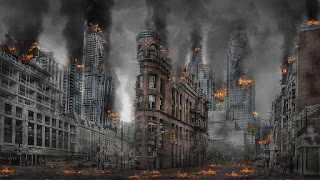
For the extra reading this week I chose to watch the Crash Course Myth videos about creation and destruction. The first creation story mentioned was the traditional Biblical version. Focusing on how humans are the most powerful life followed by other animals. Conversely, in many other religions and legends human are on a more equal level as animals.   Some legends even say that human arose from within animals. It was also interesting to hear the view that divine intervention is required to put an end to the failure of humanity (and to prevent the apocalypse). It was also interesting to see how 1) general destruction and 2) punishment and judgement are central themes in almost all apocalyptic mythology. It was really cool to learn about the differences in apocalyptic stories between different religions, such as between Christianity and Islam. I am interested in potentially writing a story about the apocalypse in the future. Apocalypse War Source: Pixabay

Reading Notes: Life of Buddha, Part B

Image
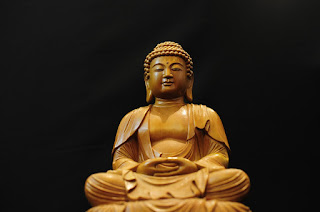
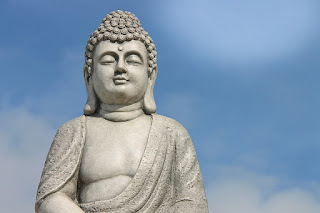
For the second part of the Life of Buddha   reading, I chose to focus on the story where Siddhartha Becomes the Buddha . Overall, I really enjoyed reading this unit. From the beginning when Queen Maya had a dream, to the birth of Siddhartha, Siddhartha's life, and then Siddhartha becoming Buddha. It has been really interesting to follow this story and see how it progresses. I find the statement, "There is old age and death because there is birth." to be very interesting... and philosophical. It is a unique perspective on life and death. Also, it was interesting to see how the significance progresses from old age/death to birth, from birth to existence, from existence to ties, etc. It was interesting to see the thought process in this paragraph basically explaining the reason for life. I also found the sentence, "By leading a life of holiness, desire is stifled, and we cease to endure birth and suffering." to be quite interesting. I'll admit I am havin...

Reading Notes: Life of Buddha, Part A

Image
This week I chose to read The Life of Buddha . I chose to read this unit because this is a topic I am very unfamiliar with, and I would like to learn more about it. For my reading notes this week I am going to focus on Maya's Dream . I chose to focus on this story in particular because I like how it is written, and it introduces Buddha to the world. Maya is the Queen and the King is Suddhodana. This story details a symbolic dream Queen Maya had about having a child. The Queen described this dream... this feeling as knowing she would never hate or become angry again. Once she awakes happily, she summons the King. A sentence that stood out to me was, "He [Buddha] has chosen your family to be his family because of its fame, good fortune and virtue..." I think this is an interesting comparison to Christianity in that Jesus became the lowest of the low; compared to how Buddha chose a life of wealth and fame (from what I understand from this unit). This story is writ...

Reading Notes: David, Part B

Image
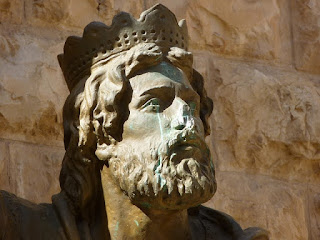
For the second part of the reading this week, I chose to continue reading Folklore of the Holy Land: Moslem, Christian and Jewish . In this blog, I would specifically like to focus on the story of David , which was written by J. E. Hanauer in 1907. In my last reading notes blog I discussed the Ancient Middle East version of Noah and the Ark. Similarly, I am familiar with the Christian version of the story of David. It was interesting to see how the two versions are related to each other but, at the same time, also very different. As I noted in my last blog, I feel as if the Ancient Middle East version provides more details than does the Christian version. Additionally, certain parts of this story made obvious the differences between the two different faiths--particularly the ending. I have read several biblical stories for this class and most have been excerpts from the King James Bible. This story (and also the one about Noah) are different in that they are written in m...

Reading Notes (EC) - CrashCourse: Flood Stories

For the extra-credit reading this week I chose to watch the CrashCourse videos about Flood Stories . It was interesting learn how popular flood myths are in many different cultures. Also, referencing the first set of CrashCourse mythology videos, it was interesting to see how historic events--like floods--can become a very popular source of mythology stories. I especially liked the story about the ark that was an acre in area and six decks tall! It was also interesting to see the similarities between different flood stories and the biblical story: Noah and the Ark. For example, sending out a dove and raven to see if there was any dry land. It was interesting that Mike pointed out, any civilization located near water has a flood myth. 

Reading Notes: Holy Land - Noah, Part A

Image
For part A of the reading this week I chose to read Holy Land: Noah  from the Ancient Middle East options. This is a story by J. E. Hanauer written in 1907. I chose to read the Ancient Middle East version of Noah because I have decided to write my storybook over the Life of Noah. I thought it would be interesting to see the comparisons between the version I am use to and the version told in this story.  I was surprised to see such similarity between the two versions of Noah. Many aspects of the story are very similar. I did notice quite a bit of added details in this version as compared to the traditional Christian version. Although there are many similarities, there are also many differences. Again, as I have mentioned, there is a lot of added detail about individuals, animals, etc. in this version. The difference that stood out most to me is the story about the donkey and the extent to which it is described.  It was interesting to read a version of ...

Reading Notes: Martha and Mary, Part B

Image
For the second part of the reading this week, I chose to read Biblical Women , Martha and Mary . The story is an excerpt from the King James Bible  (1611) - Luke 10 and John 11. I have heard the story about Martha and Mary many times. I especially like the story from the Gospel of Luke and the message it shares. I also found the debate between "Mary of Bethany" or "Mary Magdalene" to be very interesting. I had not heard this debate prior to reading this story. I also never knew Martha traveled to France and performed miracles of her own. I am interested to look into this further. Although I do not have trouble reading the King James version of the Bible, it is not what I prefer. As such, I don't think I would want to write a story using this writing style. As with the other biblical stories I have read, there is a lot of second-person, direct quoting in this story. Jesus in the House of Martha and Mary Source: Photo by Matthijs Musson - Wikime...